
6 Places to Uncover New Prospect Leads

Every major gift officer aspires to have a portfolio full of promising prospects, but these opportunities are rarely handed to you on a silver platter. Unearthing and effectively qualifying new leads necessitates a bit of detective work and a commitment of time. Here, we present five sources that fundraisers can explore to improve their prospect pool:

1. Internal Partnerships: A treasure trove of potential leads lies within your university’s faculty and staff. Leveraging their deep-rooted alumni and corporate connections can yield introductions on your behalf, often resulting in higher success rates for securing initial meetings or visits. Establishing trust and fostering transparent relationships with these internal partners is paramount to your success.

2. Solicit Recommendations from Prospects: Every interaction with a prospect should include a simple yet powerful question: “Do you know of any other successful alumni?” If you haven’t already incorporated this into your approach, start now. Often, this straightforward inquiry can unveil potential leads that weren’t even on your organization’s radar. Plus, the added bonus is the introduction they can facilitate on your behalf.

3. Leverage Events: While events may sometimes seem mundane, they serve as fertile ground for meeting prospective donors. If feasible, review the attendee list prior to the event and formulate a strategic game plan. Consider running a wealth screening report if you have access to it, as it can offer insights into the major players in attendance. Preparedness is the key to making the most of these opportunities.

4. Tap into Your Database: Your office’s research department can provide you with a wealth screening assessment of your existing prospects. Alternatively, you can conduct this research independently. Experience has demonstrated that donors with a consistent history of giving tend to yield the best results when seeking out new prospects. Their giving patterns already reflect their affinity and serve as a compelling conversation starter during initial qualification.

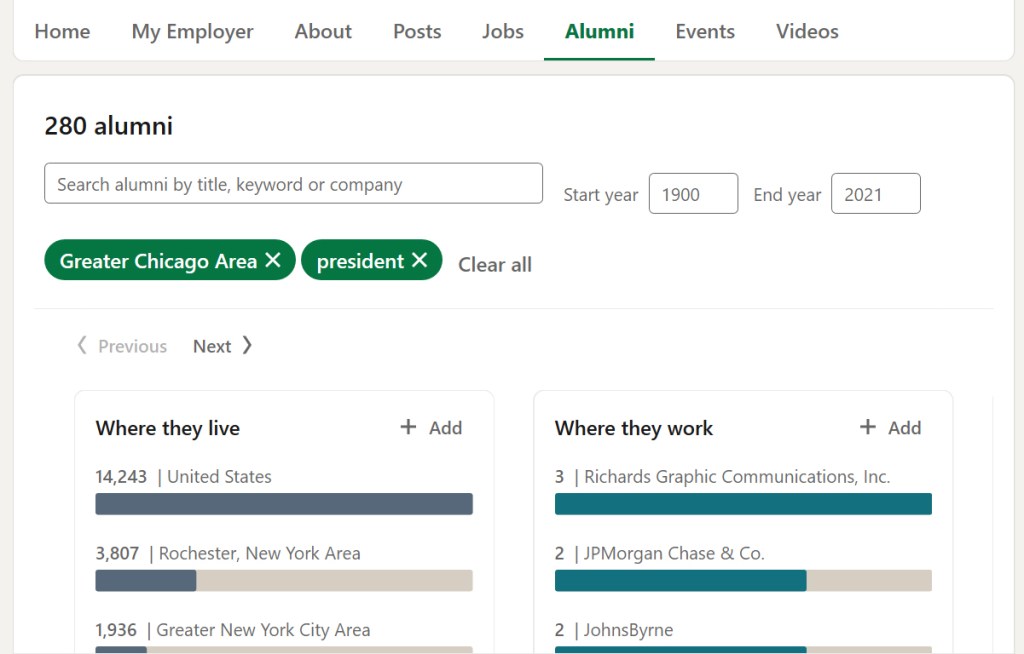
5. Harness the Power of LinkedIn: If you’re not already familiar with LinkedIn’s search function, it’s high time you become acquainted with it. This tool is a veritable goldmine. The user-friendly search function allows you to filter prospects based on specific criteria. Begin by inputting your university’s name in the search bar. Once on the university page, navigate to the alumni tab. From there, you can narrow your search based on their location, workplace, or even job titles. For instance, you can identify all alumni in Chicago with the job title “president.”
6. Recent Gifts: Sometimes, the most straightforward approach yields results. Perusing the list of recent gifts received by donors can be a source of promising leads. Since these individuals are already contributing to your organization, a simple follow-up call to express gratitude for their gift can evolve into a visit and potential future giving.

Once you’ve identified these new prospect leads, the real work begins. Each one represents an opportunity to forge lasting relationships and secure transformative philanthropic support for your cause. So, don’t hesitate – embark on your prospecting journey and watch your portfolio flourish.

Subscribe here and receive fresh articles directly in your inbox:
The Essential Questions for Wealth Assessment in Fundraising

In the intricate world of fundraising, one fundamental element reigns supreme: assessing the wealth of potential donors. Why, you may ask, is this fundamental practice of such paramount importance? Allow us to elucidate, for it holds the key to multiple facets of your fundraising journey.

First and foremost, gauging a prospect’s wealth aids in identifying whether they have the potential to become a major gift donor. This crucial determination sets the stage for two critical decisions: who within your organization should be entrusted with this prospect and the specific engagement strategy required to cultivate a major gift.

Furthermore, armed with this invaluable insight, you gain the ability to pinpoint the appropriate level of your ask. As a dedicated development officer, the bedrock of this discovery process lies in your adeptness at asking the right questions. Below, we unveil the questions that can unlock the treasure trove of wealth assessment:

Personal Inquiries:

  1. What part of Chicago do you call home?
    • This simple query unveils whether they reside in an affluent neighborhood.
  2. Any upcoming vacation plans?
    • This question provides a glimpse into whether they own a vacation home, shedding light on their assets.
  3. What are your hobbies and interests?
    • A peek into their leisure pursuits offers valuable insights into both their assets and spending habits.
  4. Have you set a retirement date?
    • This inquiry can reveal significant information about their financial situation and plans.
  5. Where did you grow up?
    • Details about their childhood and potential familial wealth may emerge through this question.

Volunteer Engagement:

  1. Do you serve on any boards?
    • Participation on boards often comes with philanthropic expectations and can unveil their values. Follow up with queries regarding specific boards and their involvement.
  2. What does volunteering and community service mean to you?
    • This inquiry delves into their volunteer positions and philanthropic priorities.

Family Insights:

  1. Tell me about your children—how old are they, and where do they attend school?
    • This reveals whether their children are enrolled in private or public schools for K-12 ages and provides insights into their financial commitments.
  2. What are your children currently involved in?
    • This question helps discern whether their children are self-sufficient or still reliant on parental support.
  3. Share your experience as a parent of a student at that school—do you consider it a best value for their education?
  • This provides a deeper understanding of their financial commitments and priorities if they are paying tuition.
  1. What does your spouse do professionally?
  • Insights into the income of their spouse can significantly impact your understanding of their financial capacity.
  1. What leisure activities do you and your spouse enjoy together?
  • This inquiry aims to uncover additional hobbies and pastimes, shedding further light on their interests.

Incorporating these strategic inquiries into your interactions can provide you with a nuanced perspective of your prospects’ financial standing and philanthropic inclinations. Armed with this invaluable information, you’re poised to make well-informed decisions, tailor your approach, and embark on a journey of cultivating meaningful relationships with potential major gift donors. Remember, the key to unlocking this wealth assessment treasure trove lies in your ability to ask the right questions.

Subscribe here and receive fresh articles directly in your inbox:

10 Strategies to Nurture Internal Relationships for Fundraising Excellence

The success of a major gift officer in their fundraising efforts is directly tied to the internal relationships they foster within their organization. University leadership, faculty, and staff stand as indispensable allies in the quest to identify new prospects and guide them towards meaningful contributions. The more robust these internal relationships become, the greater the financial support that can be garnered.

The value of these internal partnerships is unmistakable, but cultivating and sustaining them is an ongoing effort for fundraisers. Here are 10 invaluable tips to ensure the cultivation of robust internal relationships:

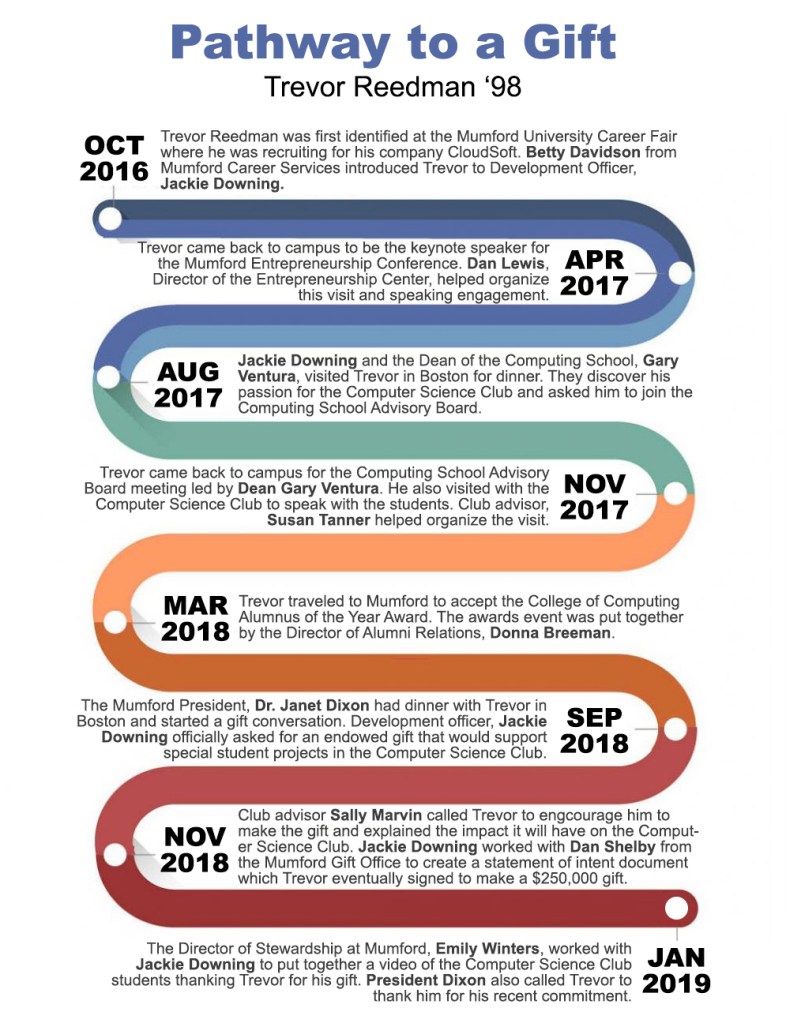
  1. Publicly Acknowledge and Appreciate: In any public forum, such as college meetings, take the opportunity to express gratitude to faculty and staff, recounting the ways in which they have contributed to fundraising success. For an added touch of personalization, consider employing a “Pathway to a Gift” approach.
  2. Share Alumni Mentions: When engaging with alumni who speak positively about a particular faculty member, be sure to relay this feedback to the mentioned faculty member. Acknowledging their positive impact can go a long way.
  3. Inquire About Top Alumni Contacts: Consult with faculty and staff to identify the most successful alumni they maintain contact with. When reaching out to these alumni, mentioning the faculty member’s name can enhance the connection.
  4. Involve Them in Stewardship” Encourage faculty and staff to participate in the appreciation process by signing thank-you cards or creating thank-you videos for donors they have assisted. Sharing the acknowledgment letters sent to these donors reinforces their invaluable role.
  5. Attend and Present at Meetings: Make an effort to attend college meetings and request opportunities to present how your support can be a valuable resource for faculty and staff in their efforts.
  6. Credit Where Due: Attribute credit to faculty members when gifts are received. Inform deans and other relevant stakeholders about faculty contributions to fundraising efforts.
  7. Build Personal Connections: Foster trust and rapport by engaging in casual conversations in hallways and at coffee machines. Establishing yourself as a relatable individual can strengthen relationships.
  8. Provide Regular Updates: Keep faculty and staff informed about what is happening in your world of fundraising. This not only reinforces your role but also generates potential leads.
  9. Show Appreciation with Lunch: Recognize the significance of faculty and staff partnerships by treating them to lunch, celebrating your collaboration.
  10. Invite Faculty to Share Insights: Elevate the status of faculty and staff as partners by inviting them to present at your advancement meetings, emphasizing their invaluable contributions.

In the grand scheme of fundraising, internal relationships take precedence over external donor relationships, as the foundation for success is built upon these collaborative partnerships within your division. These faculty partnerships are indispensable for acquiring leads and nurturing high-value prospects, making them the cornerstone of your fundraising efforts.

Subscribe here and receive fresh articles directly in your inbox:

How to Celebrate Collaboration with a Pathway to a Gift

In the fundraising world, it is a well known truth that when a major gift comes to fruition, it is never the result of a single fundraiser’s work. Instead, it’s a collective effort, involving a team that is working across the organization to engage prospects in alignment with their passions. This process, often spanning several years and multiple points of engagement, is a testament to the power of collaboration. Hence, when the gift is finally realized, it is important to extend gratitude to the internal partners who played pivotal roles along the way.

Enter the “Pathway to a Gift”—a visual representation that encapsulates the high-level engagements and contributions of the partners who paved the way to philanthropic success. This graphic narrative is then shared with all those mentioned within, serving as an acknowledgment of their support. The benefits from such recognition are as follows:

1) Peer Recognition

There’s an innate joy in being acknowledged in the presence of peers. This expression of gratitude resonates deeply, fostering a sense of pride and igniting enthusiasm among team members to collaborate on future fundraising ventures.

2) Education Tool

The use of a visual diagram serves as an educational tool, demystifying the work of major gift fundraising. In a world where many may not fully grasp the nuances of our profession, the diagram offers a window into the high level of engagement and the time frame required for success.

3) Stimulating Thought

When internal partners are presented with a visual representation of the major gift process, it often sparks ideas about how they can contribute to similar efforts. This leads to a steady influx of prospect leads, improving your pool of potential donors.

4) Positive Word of Mouth

The goodwill generated by the “Pathway to a Gift” inevitably spreads throughout your organization. As colleagues learn of the benefits of partnering with the development office, enthusiasm grows, and new possibilities for collaboration come forward.

In essence, expressing gratitude to the internal partners who played pivotal roles in achieving a major gift is not only courteous but also strategically advantageous. Taking the extra step to craft a “Pathway to a Gift” offers many benefits for your future fundraising endeavors. Below, you’ll find an illustrative example of a “Pathway” to serve as a guide, along with a blank template to create your own, further promoting a culture of appreciation and teamwork within your organization. Download a blank pathway here to create your own.

Subscribe here and receive fresh articles directly in your inbox:

11 Strategies for Getting Bigger Donor Contributions

In an era of tightening budgets within universities, the role of major gift officers has never been more important. Maximizing solicitations has become a paramount mission, and one of the key challenges is elevating donors to consider larger, more impactful gifts. When a donor expresses a desire to make a gift of a certain size, the question arises: How can fundraisers get them to reach even greater heights of generosity? Here, we unveil eleven strategic approaches to empower major gift officers to cultivate larger contributions from their donor base:

1. Multi-Year Pledges:

  • Encourage donors considering a substantial gift, such as $20,000, to make it over multiple years. This approach allows the gift to be recorded immediately as a more substantial commitment, such as a $100,000 gift, amplifying its impact over time.

2. Corporate Matches:

  • Inquire whether the donor’s employer offers a corporate matching gift program. By leveraging such programs, donors have the opportunity to double the impact of their gift, making it even more meaningful.

3. Better Naming Opportunities:

  • When a donor expresses an interest in naming a space within a building, guide them toward a more prominent and visible location. This not only enhances their legacy but also elevates the recognition associated with their gift.

4. Endowing Annual Fund Gifts:

  • For donors who make regular annual gifts, propose the establishment of an endowment to support their annual contribution. This transforms their ongoing support into a lasting legacy.

5. Blended Gifts:

  • Encourage annual donors to consider adding a bequest intention to their giving strategy, thereby augmenting the long-term impact of their support.

6. Group Effort:

  • When a cohort of prospects shares a common area of interest, explore the potential of pooling smaller gifts to collectively create a major impact.

7. Donor Advised Fund (DAF):

  • Forge a profound and enduring relationship with donors who utilize DAFs. This connection can lead to a substantial portion of their DAF contributions being directed to your university in the future.

8. Tribute Gifts:

  • Motivate donors who hold mentors or influential figures from your university close to their hearts to establish endowed funds in honor of these individuals. This tribute serves as a poignant way to elevate their philanthropic commitment.

9. Gift of Appreciated Stock:

  • Promote gifts of appreciated stock, which enable donors to contribute a more substantial gift without depleting their cash assets. This approach offers the added benefits of a charitable tax deduction and capital gains tax avoidance.

10. Push from Leadership: – Leverage the involvement of your university’s president or other leadership figures to enhance the ask. Their endorsement and engagement can inspire donors to consider larger gifts.

11. Focus on the Impact: – Shift the conversation from the gift amount to its profound impact. Highlight how a larger contribution will directly advance the goals of the donor’s area of interest, emphasizing the transformative potential of their generosity.

In essence, the imperative for major gift officers is to strategically guide donors toward larger contributions. This endeavor is not about aggressive persuasion but rather about creativity and showcasing how donors can make the most significant impact in areas they hold dear. By employing these strategies, major gift officers can harness the full potential of philanthropy to drive positive change within their institutions.

Subscribe here and receive fresh articles directly in your inbox: