
Winning Over Gatekeepers: The Critical Role of Executive Assistants in Nonprofit Fundraising

In the world of nonprofit fundraising, executive assistants (EAs) are often overlooked, yet they have significant influence over a key aspect of the fundraising process: access to top prospects. These professionals are more than gatekeepers; they are trusted advisors, managers of their executive’s time, and can help ensure meaningful engagement with potential major donors. Winning over an executive assistant can be the difference between securing a high-impact meeting or being perpetually stuck in the “we’ll get back to you” zone.

Why Executive Assistants Matter

1. Time Managers
Top executives, especially high-net-worth individuals, operate on tightly packed schedules. Their executive assistants hold the keys to that calendar. Understanding this makes the EA a valuable ally in navigating the complexities of scheduling.

2. Trusted Advisors
Executive assistants are privy to their employer’s preferences, priorities, and philanthropic interests. They often filter requests and decide which are worthy of the prospect’s attention. Building trust with an EA means they are more likely to champion your cause internally and get back to you in a timely manner.

Strategies to Win Over Executive Assistants

1. Treat Them as Decision-Makers
Approach executive assistants with the same level of respect and professionalism you would extend to their boss. Recognize their authority and acknowledge the critical role they play.

2. Build Genuine Relationships
Take time to connect with the EA on a personal level. Learn their name, remember their communication preferences, and inquire about their schedule and workload. A thoughtful and genuine connection can open doors.

3. Be Concise and Clear
Executive assistants are often juggling multiple priorities. Ensure your outreach is succinct, professional, and focused on the value your nonprofit offers. Provide clear reasons why a meeting would be beneficial to the executive, and outline the alignment between their interests and your organization.

4. Respect Their Time
Understand that EAs are busy professionals. Be flexible and accommodating when proposing meeting dates and times. If an EA declines a meeting, thank them for their time and ask when it might be more appropriate to follow up.

5. Provide Value
Whenever possible, share information or materials that could interest the EA or their executive. This could be a summary of your nonprofit’s impact, a newsworthy success story, or an invitation to an exclusive event. Adding value upfront demonstrates respect for their role and helps differentiate your organization.

6. Show Gratitude
Small gestures of appreciation go a long way. A handwritten thank-you note or a follow-up email acknowledging their effort can make a lasting impression.

Engaging executive assistants isn’t just a means to an end. Establishing positive relationships with them fosters goodwill and trust, making future interactions smoother. Over time, a well-nurtured relationship with an EA can result in access to opportunities that may otherwise be off-limits. In nonprofit fundraising, success often depends on the ability to forge connections with the right people. Recognizing the pivotal role of executive assistants and employing thoughtful strategies to engage them can significantly enhance your chances of connecting with top prospects and achieving transformative results. By respecting and valuing EAs, fundraisers not only open doors but also pave the way for long-lasting relationships that drive impact.

Subscribe below to get fresh articles sent to your inbox:
This Absolute Best Way to Thank Your Donors (Ditch the Generic Thank You Letters)

Every nonprofit knows the importance of thanking donors—it’s essential for building loyalty and ensuring continued support. While traditional thank-you letters and small gifts have their place, there’s a way to take your stewardship to the next level: connecting donors directly to the impact of their gift through a personalized video.

A heartfelt video showcasing the people or communities transformed by their generosity can create an unforgettable experience. Here’s how to do it easily, even with just your iPhone:

1. Capture Authentic Stories

Identify 2–3 individuals whose lives have been positively impacted by the donor’s gift. Ask them to share their heartfelt stories or testimonials in their own words to maintain authenticity. Provide bullet points to guide their message but encourage them to say in their own voice..

📍 Pro Tip: Choose a quiet space with good lighting and have them stand in front of a plain background to keep the focus on their story.

2. Enhance with Simple Editing

The free iMovie app makes it easy to create polished videos:

• Add a title slide, such as “The Impact of Your Generosity.”

• End with a closing message like, “Thank you for supporting [Your Organization].”

• Incorporate transitions, background music, or captions to make it visually engaging.

Watch this video on how to use iMovie to make an impressive video in three minutes.

3. Deliver the Video Personally

Once your video is ready, share it in a way that feels thoughtful and direct:

• Text Message: If you have the donor’s phone number, a personal text with the video can be impactful.

• Email: If sending via email, upload the video to a cloud storage platform like Google Drive, Dropbox, or OneDrive. Generate a shareable link to include in your message, bypassing file size limitations.

Why It Works

Donors have countless options for their philanthropic dollars, so creating a memorable and personal thank-you helps build stronger connections. It’s a cost-effective way to show their generosity is not just appreciated—it’s life-changing.

By going beyond the standard thank-you, your nonprofit can make donors feel deeply valued and inspired to continue supporting your mission.

Subscribe below to get fresh articles sent to your inbox:
5 Lessons from Starbucks for Successful Major Gift Fundraising

Starbucks is renowned for delivering exceptional customer service, thanks to its dedicated baristas—known internally as “partners.” From crafting customized drinks to creating memorable experiences, these partners consistently go above and beyond for their customers. One of the secrets behind this impressive service is the Starbucks “Green Apron Book,” a guide that outlines the company’s core principles, known as the “Five Ways of Being.” These principles empower employees to form genuine connections with customers and are packed with insights that could benefit major gift fundraisers as well. Let’s explore these five guiding principles and see how they can be applied to fundraising.

Be Welcoming

Starbucks employees are known for creating a welcoming environment where customers feel valued and prioritized. They often greet customers by name, remember their favorite drinks, and take the time to connect personally. This personalized approach is just as essential in major gift fundraising, where building meaningful relationships can lead to transformative gifts. Take the time to truly get to know your prospects—their interests, family details, and what’s important to them. Remembering a person’s name is crucial; if you see them at an event, greet them personally and reference something meaningful to them, like, “How’s your son enjoying travel soccer?” This thoughtful, welcoming approach goes a long way in building trust and rapport.

Be Genuine

Starbucks highlights the importance of being genuine with customers by building personal connections. These connections are formed through attentive listening and responding thoughtfully to customer needs. In fundraising, this approach is equally vital for cultivating long-term relationships, starting with prompt follow-up. Whenever you meet with a prospect, listen closely and follow up on any action items as soon as possible, ideally within 24 hours. For instance, if a prospect requests an update on their scholarship, send a detailed email shortly after your meeting. This timely follow-up shows you are genuinely invested in the relationship. Remember, most major gift prospects are busy, high-achieving individuals with many nonprofits seeking their attention. By being authentic and consistently following up, you increase the chances of making your organization a priority.

Be Considerate

Being considerate means ensuring that everyone in your organization feels valued and supported. Starbucks exemplifies this by prioritizing employee well-being—they were the first major retailer to provide full health benefits to both full- and part-time employees. As a manager of major gift fundraisers, your team members should be your top priority. Each day, think about what they need to thrive, and actively track their progress. Building strong manager-team relationships relies on trust and open communication, so make yourself readily available. If one of your fundraisers needs to discuss a prospect’s strategy, try to meet or speak with them the same day. These timely conversations can be pivotal in moving closer to securing a gift and show your commitment to their success. By demonstrating genuine care and support, you’ll inspire dedication and hard work from your team.

Be Knowledgeable

Gaining work-related knowledge allows us to add greater value to our organization. Starbucks encourages its employees to deepen their understanding of customer service and coffee, and in fundraising, this principle is just as critical. Before engaging with prospects, fundraisers need a thorough understanding of their organization, its people, and its priorities. A comprehensive onboarding process should include an in-depth exploration of these areas so fundraisers can speak passionately, engage prospects meaningfully, and identify the most fitting projects for support. Additionally, building knowledge should be an ongoing process. As a fundraising manager, it’s crucial to provide learning opportunities for your team. This includes setting aside time for professional development and supporting attendance at conferences, like CASE, to continually enhance their skills and effectiveness.

Be Involved

The final lesson Starbucks promotes is involvement—actively participating in the store, within the company, and in the community. Being fully engaged in what you do can greatly enhance your productivity and effectiveness. In major gift fundraising, being deeply involved with your organization or university is invaluable. For instance, at a university, consider joining a committee that operates across departments; this will help you learn more about other areas and build connections that can support your future fundraising efforts. Similarly, participating in volunteer activities allows you to engage with the local community, broaden your perspective, and strengthen key relationships. By being involved, you’ll gain insights, forge connections, and ultimately become more effective in your role.

Incorporating Starbucks’ “Five Ways of Being” into major gift fundraising can elevate your approach to building genuine and lasting relationships. By being welcoming, genuine, considerate, knowledgeable, and involved, fundraisers can create meaningful connections that resonate deeply with prospects and team members alike.

Subscribe below to get fresh articles sent to your inbox:

What the Founder of Shake Shack Can Teach Major Gift Fundraisers

Danny Meyer, Founder & CEO of Union Square Hospitality Group, is one of the most successful restaurateurs in history. His impressive portfolio includes legendary New York City establishments like Gramercy Tavern, Eleven Madison Park, The Modern, and Shake Shack. In his book Setting the Table, Meyer shares key business principles that major gift fundraisers and managers can easily apply to their work. Here are a few invaluable lessons from his approach.

Hiring for Emotional Intelligence

Meyer emphasizes that successful staff performance hinges on both technical skills (49%) and emotional intelligence (51%). While technical skills—such as managing a CRM, downloading reports, or conducting prospect research—can be taught, emotional intelligence is harder to instill. In fundraising, this emotional component is about reading people, building relationships, and reacting to them in meaningful ways.

Meyer highlights five core emotional skills to look for when hiring: optimistic warmth, intelligence and curiosity, work ethic, empathy, and self-awareness. Fundraisers who naturally exude warmth, friendliness, and kindness tend to thrive. They build strong internal relationships with colleagues and form deep, strategic connections with prospects—leading to significant gifts.

Enlightened Hospitality

At the heart of Meyer’s success is his philosophy of Enlightened Hospitality—the idea that putting employees first empowers them to serve customers exceptionally well. This ethos can be directly applied to managing major gift fundraisers. The turnover in the nonprofit sector is high, so treating your team with care is essential. This means giving them the tools they need to excel, reducing unnecessary friction, and creating a supportive work culture.

For example, ask your team what obstacles are preventing them from reaching their goals, and work with them to remove those barriers. Encourage growth by offering professional development opportunities, like attending CASE Conferences. By creating a positive environment, you’ll foster happy employees who, in turn, will cultivate happy donors—leading to bigger gifts and more engaged board members.

Meyer also stresses the importance of creating memorable experiences for guests—something that can translate seamlessly to donor stewardship. Exceptional fundraisers make donors feel special throughout the cultivation and stewardship phases. Whether it’s a personalized gift or an unexpected token of appreciation, these small gestures create lasting impressions. For instance, I once organized a hospitality suite for a donor and his family at a university homecoming hockey game. We filled the suite with framed photos of his time as a student-athlete on the basketball tean, and he was delighted. These moments build loyalty and deepen donor relationships.

Turning Mistakes Into Opportunities

One of the most powerful lessons from Meyer’s book is his perspective on handling mistakes. He calls it “writing the final chapter”—turning a potentially negative experience into an opportunity to exceed expectations. When something goes wrong in fundraising—such as a donor feeling neglected in the stewardship process—it’s crucial to go above and beyond to resolve the issue.

For example, if a donor complains that they didn’t hear about their scholarship recipient this year, take the opportunity to apologize and organize a Zoom call with the scholarship recipient. How you address these situations can leave a more lasting impression than the mistake itself. Empower your team to handle such challenges with grace, ensuring that every donor feels valued and appreciated.

Constant, Gentle Pressure

Meyer also advocates for applying “Constant, Gentle Pressure” to his staff, encouraging managers to set high standards and hold employees accountable in a supportive manner. As a leader in major gift fundraising, it’s essential to consistently push your team to excel. Challenge them with questions like, “Could we ask for more?” or “Should we move up this ask?” A little pressure, when applied thoughtfully, can help fundraisers elevate their game—leading to bigger and more frequent gifts.

By adopting these principles from Danny Meyer, major gift fundraisers can build stronger relationships, enhance their management strategies, and ultimately achieve greater success in their fundraising efforts.

Subscribe below to get fresh articles sent to your inbox:
What Major Gift Fundraisers Can Learn from Top Productivity Books

In the fast-paced world of major gift fundraising, efficiency is often the key to success. The ability to manage time, stay focused, and maximize productivity can directly impact the results of your fundraising efforts. Fortunately, some of the best books on work efficiency offer valuable insights that fundraisers can apply to their daily routines. From time-blocking techniques to strategies for minimizing distractions, these books provide a roadmap for fundraisers looking to optimize their efforts and achieve greater success in donor outreach and relationship-building. Here’s what you can learn and apply from four of the top productivity experts.

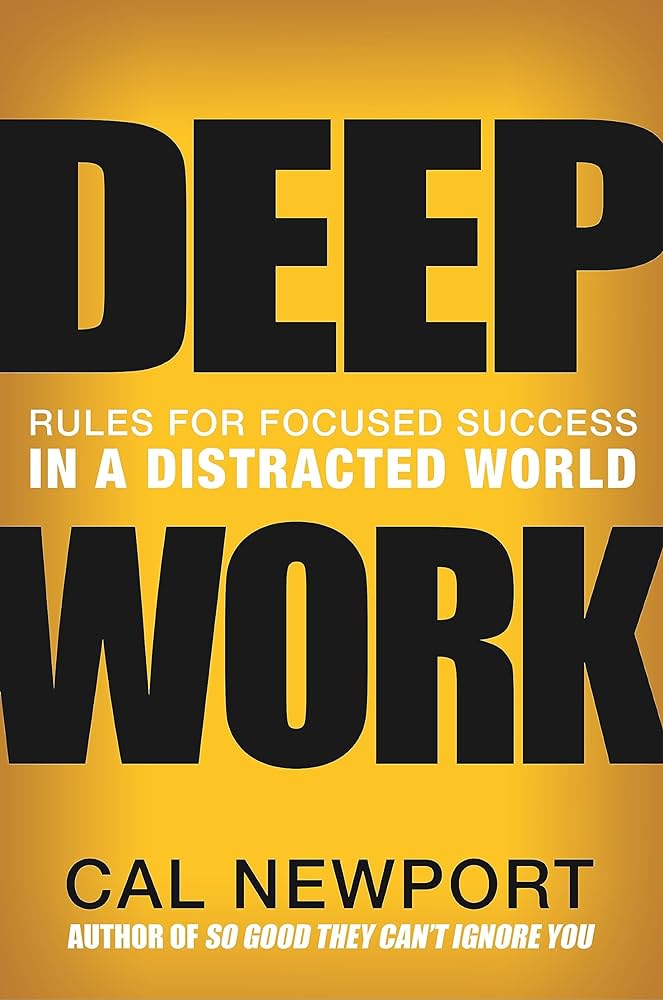
Deep Work
by Cal Newport

The core message in Deep Work emphasizes that by staying focused, we can significantly increase both the quantity and quality of work produced in a given hour. The author refers to this concept as “The Law of Productivity.” One of the key takeaways is the importance of dedicating uninterrupted blocks of time to achieve extraordinary productivity.

This is a valuable lesson for fundraisers, particularly when it comes to prospecting. Researching and reaching out to new donors often gets pushed aside, yet it’s a critical task that requires regular attention. To prioritize this, fundraisers should routinely schedule a half-day on their calendar for uninterrupted prospecting—closing the door and eliminating distractions. This dedicated focus ensures that the necessary work gets done and allows fundraisers to maximize their efficiency and results.

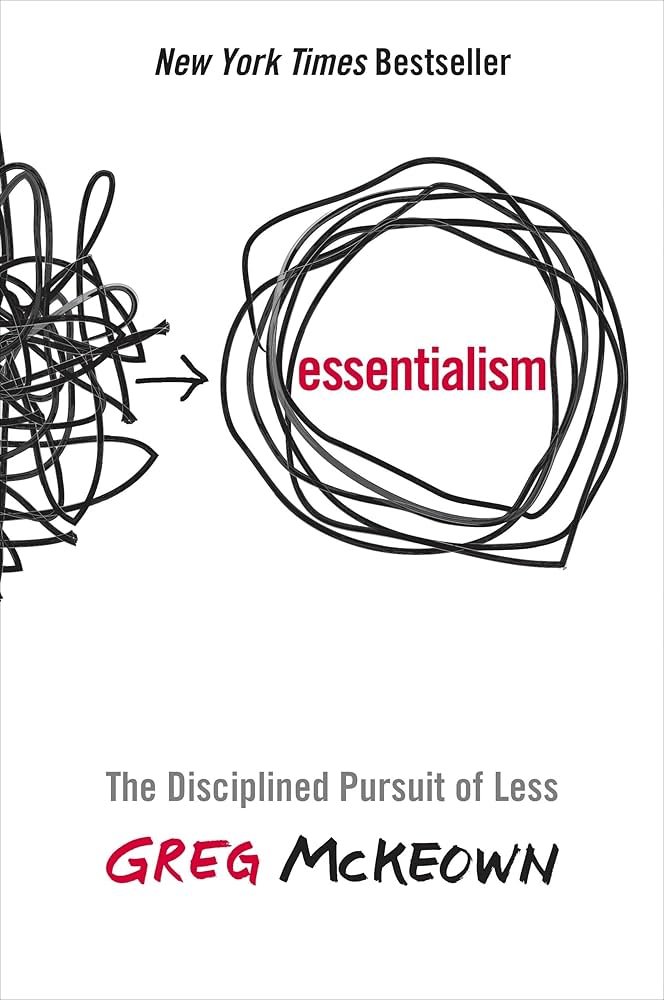
Essentialism
by Greg McKeown

Essentialism emphasizes the importance of distinguishing between the trivial and the essential in your work, and dedicating your full energy to what truly matters. The book underscores that you have the power to choose where to focus, and that 80% of tasks are often not worth your time, while the vital 20% demands your absolute attention. One of its most powerful ideas is that “What you choose not to do is just as important as what you choose to do.” This principle is especially relevant in major gift fundraising, where you will frequently encounter projects, events, and activities vying for your attention. To be effective, you must commit to the opportunities that align with your goals and say no to those that do not.

For example, it’s common for faculty or staff members at a university to approach fundraisers with projects that lack donor appeal or a clear prospect pool. Imagine the dean of the science college asks you to raise funds for new lab equipment, without any identified prospects and for a project that doesn’t resonate with donors. If you accept, you’ll waste valuable time searching for donors and having fruitless meetings. Learning to decline such projects diplomatically is crucial. Ultimately, your effectiveness as a fundraiser depends on your ability to say no and focus on what will truly move the needle.

The ONE Thing
by Gary Keller and Jay Papasan

In The ONE Thing, the key to productivity is focusing on fewer tasks and giving them your complete attention—focusing on the one most important thing. The book’s core concept is the “Focusing Question,” a tool to achieve extraordinary results. This question helps guide you to your ONE Thing in different areas of your work. As a fundraiser, for example, you could ask yourself on Monday morning, “What’s the ONE Thing I can do this week to ensure I hit my goals, such that by doing it everything else will become easier or unnecessary?”

Including a time frame in your question—such as “right now,” “this year,” or “in five years”—gives it context, helping you focus on both immediate tasks and long-term objectives. By regularly asking this question, fundraisers can stay laser-focused on activities that drive more visits, solicitations, and closed gifts, ensuring they stay on track to hit their targets.

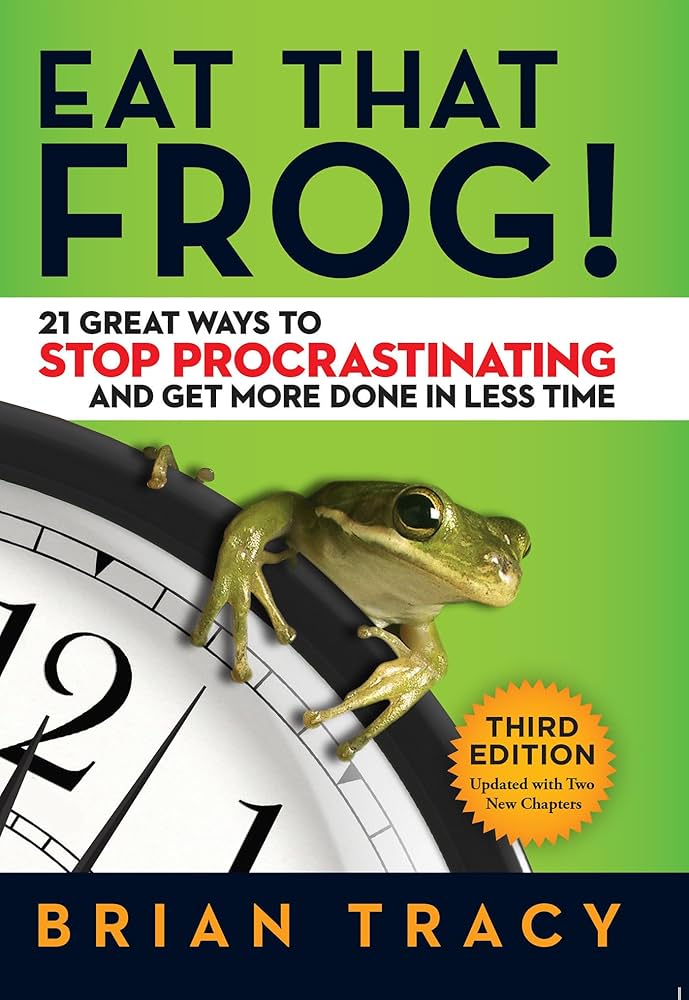
Eat the Frog
by Brian Tracy

In Eat That Frog, the key to success isn’t about trying to do everything—it’s about focusing on the most important tasks, taking action, and completing them effectively. The analogy of “eating frogs” comes from Mark Twain, who said that if you start your day by eating a live frog, you’ve already tackled the worst thing you’ll face all day. In this context, your “frog” represents your most important and challenging task—the one you’re most likely to procrastinate on, but that has the greatest potential to impact your success.

In major gift fundraising, prospecting is that frog. By making prospect outreach your first priority, you set the stage for everything else to fall into place—securing meetings leads to solicitations, which eventually lead to gift closes. But it all begins with prospecting and getting those initial visits. Eating that frog first is the key to unlocking your success.

Incorporating the lessons from these top productivity books can transform the way you approach major gift fundraising. Whether it’s blocking uninterrupted time for deep work, focusing on the essential tasks that truly move the needle, narrowing your efforts to the most impactful “one thing,” or tackling the most daunting tasks first, these strategies offer practical guidance for staying focused and achieving results. By applying these principles consistently, fundraisers can streamline their efforts, maximize their impact, and ultimately secure more gifts and build stronger donor relationships. Efficiency, when paired with intentional focus, is the key to long-term success in fundraising.

Subscribe to get fresh articles in your inbox: