
In the fast-paced world of major gift fundraising, efficiency is often the key to success. The ability to manage time, stay focused, and maximize productivity can directly impact the results of your fundraising efforts. Fortunately, some of the best books on work efficiency offer valuable insights that fundraisers can apply to their daily routines. From time-blocking techniques to strategies for minimizing distractions, these books provide a roadmap for fundraisers looking to optimize their efforts and achieve greater success in donor outreach and relationship-building. Here’s what you can learn and apply from four of the top productivity experts.
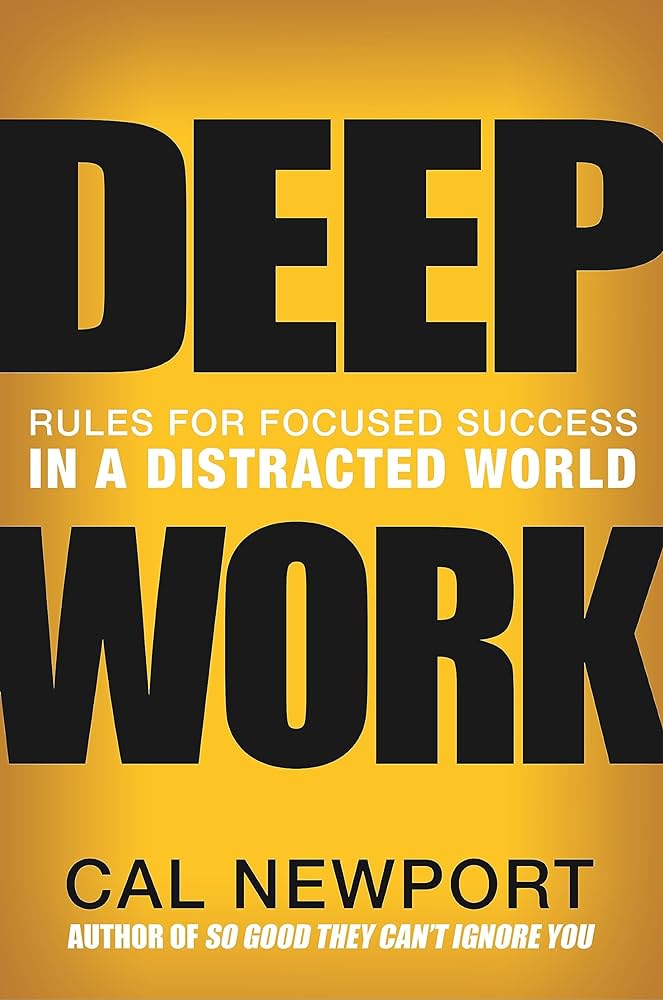
Deep Work
by Cal Newport
The core message in Deep Work emphasizes that by staying focused, we can significantly increase both the quantity and quality of work produced in a given hour. The author refers to this concept as “The Law of Productivity.” One of the key takeaways is the importance of dedicating uninterrupted blocks of time to achieve extraordinary productivity.
This is a valuable lesson for fundraisers, particularly when it comes to prospecting. Researching and reaching out to new donors often gets pushed aside, yet it’s a critical task that requires regular attention. To prioritize this, fundraisers should routinely schedule a half-day on their calendar for uninterrupted prospecting—closing the door and eliminating distractions. This dedicated focus ensures that the necessary work gets done and allows fundraisers to maximize their efficiency and results.
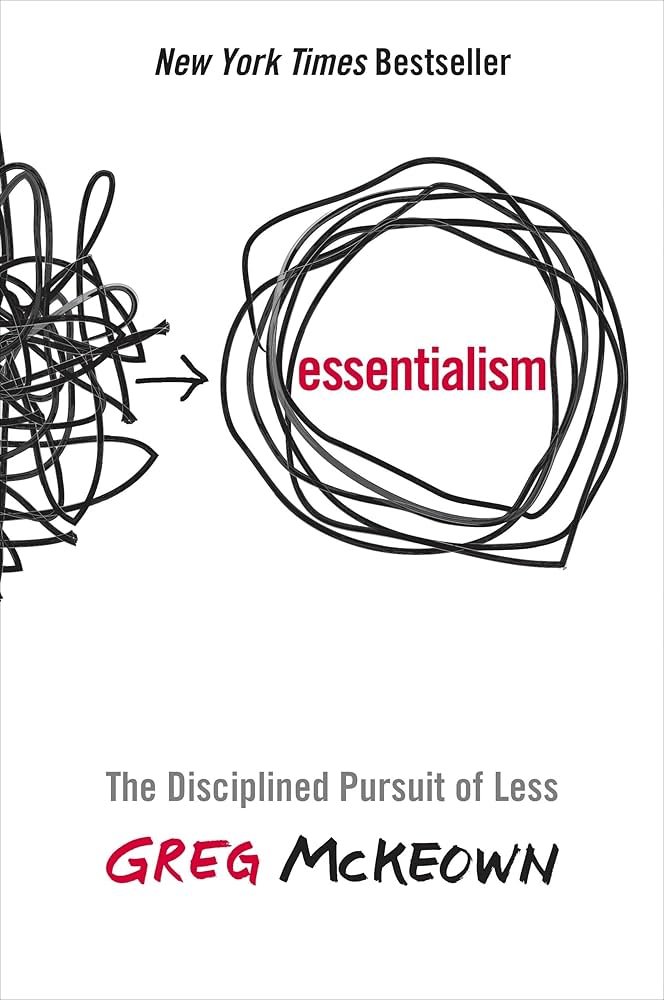
Essentialism
by Greg McKeown
Essentialism emphasizes the importance of distinguishing between the trivial and the essential in your work, and dedicating your full energy to what truly matters. The book underscores that you have the power to choose where to focus, and that 80% of tasks are often not worth your time, while the vital 20% demands your absolute attention. One of its most powerful ideas is that “What you choose not to do is just as important as what you choose to do.” This principle is especially relevant in major gift fundraising, where you will frequently encounter projects, events, and activities vying for your attention. To be effective, you must commit to the opportunities that align with your goals and say no to those that do not.
For example, it’s common for faculty or staff members at a university to approach fundraisers with projects that lack donor appeal or a clear prospect pool. Imagine the dean of the science college asks you to raise funds for new lab equipment, without any identified prospects and for a project that doesn’t resonate with donors. If you accept, you’ll waste valuable time searching for donors and having fruitless meetings. Learning to decline such projects diplomatically is crucial. Ultimately, your effectiveness as a fundraiser depends on your ability to say no and focus on what will truly move the needle.

The ONE Thing
by Gary Keller and Jay Papasan
In The ONE Thing, the key to productivity is focusing on fewer tasks and giving them your complete attention—focusing on the one most important thing. The book’s core concept is the “Focusing Question,” a tool to achieve extraordinary results. This question helps guide you to your ONE Thing in different areas of your work. As a fundraiser, for example, you could ask yourself on Monday morning, “What’s the ONE Thing I can do this week to ensure I hit my goals, such that by doing it everything else will become easier or unnecessary?”
Including a time frame in your question—such as “right now,” “this year,” or “in five years”—gives it context, helping you focus on both immediate tasks and long-term objectives. By regularly asking this question, fundraisers can stay laser-focused on activities that drive more visits, solicitations, and closed gifts, ensuring they stay on track to hit their targets.
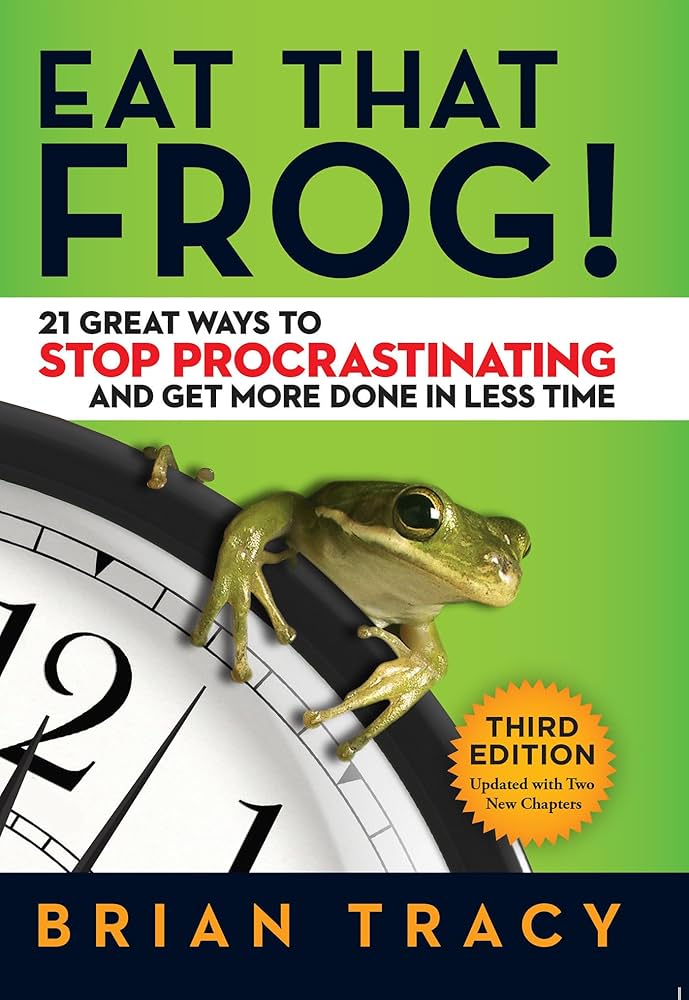
Eat the Frog
by Brian Tracy
In Eat That Frog, the key to success isn’t about trying to do everything—it’s about focusing on the most important tasks, taking action, and completing them effectively. The analogy of “eating frogs” comes from Mark Twain, who said that if you start your day by eating a live frog, you’ve already tackled the worst thing you’ll face all day. In this context, your “frog” represents your most important and challenging task—the one you’re most likely to procrastinate on, but that has the greatest potential to impact your success.
In major gift fundraising, prospecting is that frog. By making prospect outreach your first priority, you set the stage for everything else to fall into place—securing meetings leads to solicitations, which eventually lead to gift closes. But it all begins with prospecting and getting those initial visits. Eating that frog first is the key to unlocking your success.
Incorporating the lessons from these top productivity books can transform the way you approach major gift fundraising. Whether it’s blocking uninterrupted time for deep work, focusing on the essential tasks that truly move the needle, narrowing your efforts to the most impactful “one thing,” or tackling the most daunting tasks first, these strategies offer practical guidance for staying focused and achieving results. By applying these principles consistently, fundraisers can streamline their efforts, maximize their impact, and ultimately secure more gifts and build stronger donor relationships. Efficiency, when paired with intentional focus, is the key to long-term success in fundraising.
Subscribe to get fresh articles in your inbox:

 Forward Fundraisers