
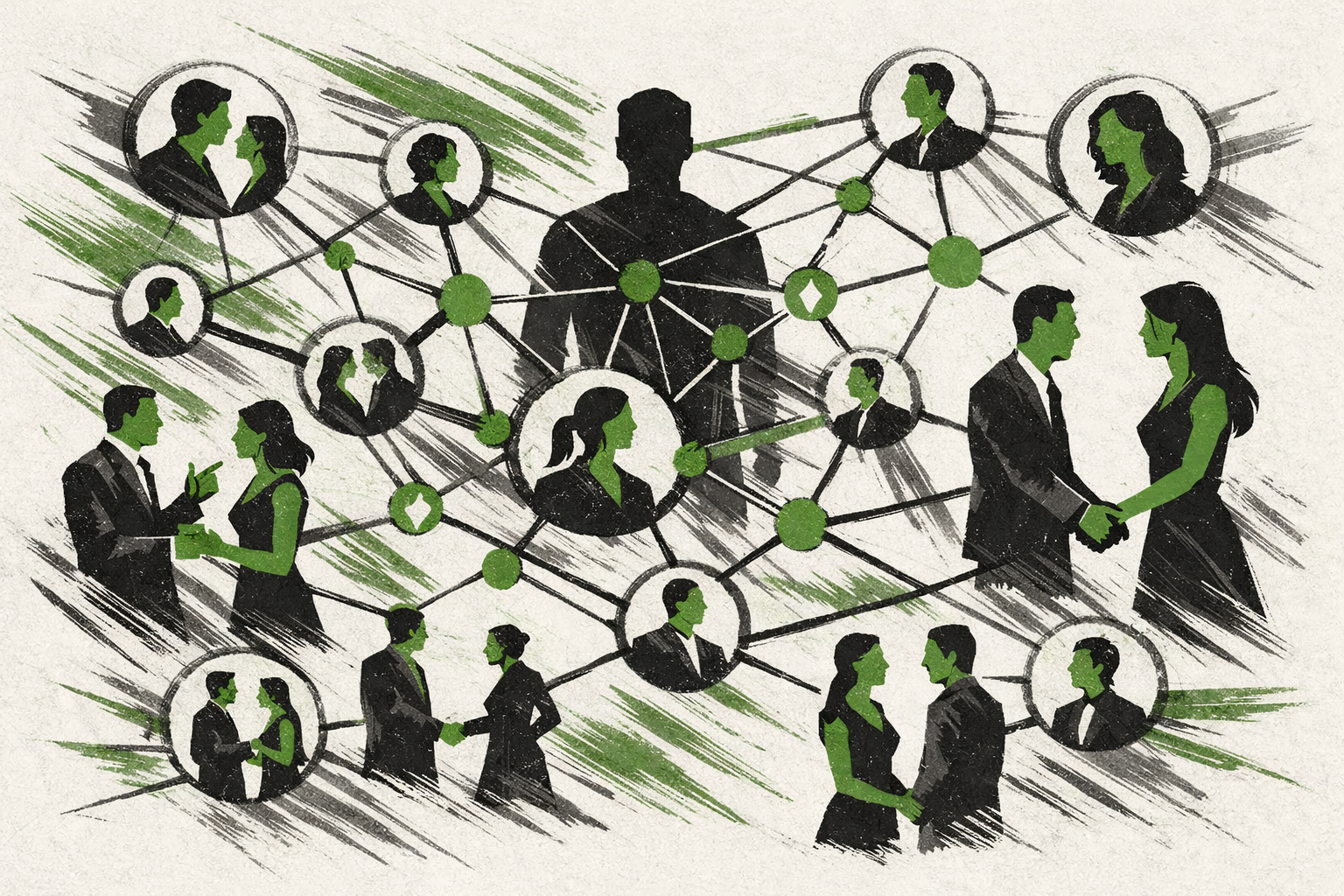
If you want access to top donors, relationship mapping has to be part of your fundraising strategy. Relationship mapping is the process of utilizing the professional and personal networks of your board members, staff, and existing supporters to uncover paths to new prospects.
There’s no substitute for a trusted introduction. A cold email might get ignored, but an intro from someone the donor already knows and respects can open the door to a real conversation. That’s how meetings get set.
There are plenty of software tools on the market for relationship mapping, and many of them work well. But you don’t need to buy something new to get started. AI can be a practical and free way to do this work.
To use it well, you will need the right prompt and be intentional with your inputs. Start with the people closest to your organization: board members, major donors, volunteers, and key staff. Include their current roles or employers next to their names so the AI identifies the right individuals. Then add the name of the prospective donor you’re hoping to reach.
The prompt below is designed to do exactly that. Drop in your names, add your target prospect, and let it figure out connections like shared boards, companies, philanthropic interests, or professional networks. It won’t replace real relationship work, but it can help you find a way to get a visit with your next big donor.
Relationship Mapping AI Prompt
ROLE & CONTEXT
You are acting as a senior nonprofit fundraising strategist and relationship-mapping analyst supporting [Your Organization].
Your goal is to identify warm introduction paths between existing [Your Organization] supporters and a potential new donor, using both professional and personal networks.
[Your Organization] contacts include:
- Volunteers
- Lead donors
- People genuinely interested in [Your Organization]
Assume connections may be direct or indirect and may span philanthropy, business, venture capital, boards, geography, education, social circles, family ties, and shared causes.
INPUTS
[Your Organization] Contacts:
[List of names, one per line]
Potential New Donor:
[Full name]
TASKS
- Analyze possible relationship overlap between [Your Organization] and the Potential New Donor.
- Identify probable and plausible connection points, including but not limited to:
- Personal relationships or social familiarity
- Shared philanthropic boards, foundations, or nonprofit causes
- Shared business, investment, VC, or LP networks
- Shared geography, communities, or second-home locations
- Shared alma maters or educational institutions
- Shared social clubs, faith communities, or civic involvement
- Family or long-standing professional ties
- Do not invent facts. When connections are inferred, clearly label them as probable or possible.
OUTPUT FORMAT
For each viable connection, provide:
Suggested Introduction Path
Path:
Person A → Person B → Potential New Donor
(or Person A → Potential New Donor if direct)
Type of Connection:
(e.g., personal, philanthropic, business, geographic, educational, social)
Why This Path Makes Sense:
1–3 sentences explaining the overlap or logic behind the connection.
Strength of Connection:
High / Medium / Low (based on likely closeness and credibility)
Suggested Next Step:
Specific fundraising-oriented guidance (e.g.,
“Ask Person A if they would be comfortable making a values-based introduction,”
“Explore shared board service before requesting an intro,”
“Warm the relationship through a site visit or small gathering first.”)
GUIDING PRINCIPLES
- Prioritize warm, credible introductions over cold outreach
- Think like a relationship-driven major gift fundraiser
- Be realistic, nuanced, and strategic
- Focus on how an introduction would naturally happen, not just that it could
Important note: When putting private information into an AI tool, make sure you’re using a platform that allows that information to remain private. Many AI systems may store and potentially use content shared in conversations to improve their models. It’s important to understand the data privacy settings of any AI tool before using it with internal or sensitive information.